
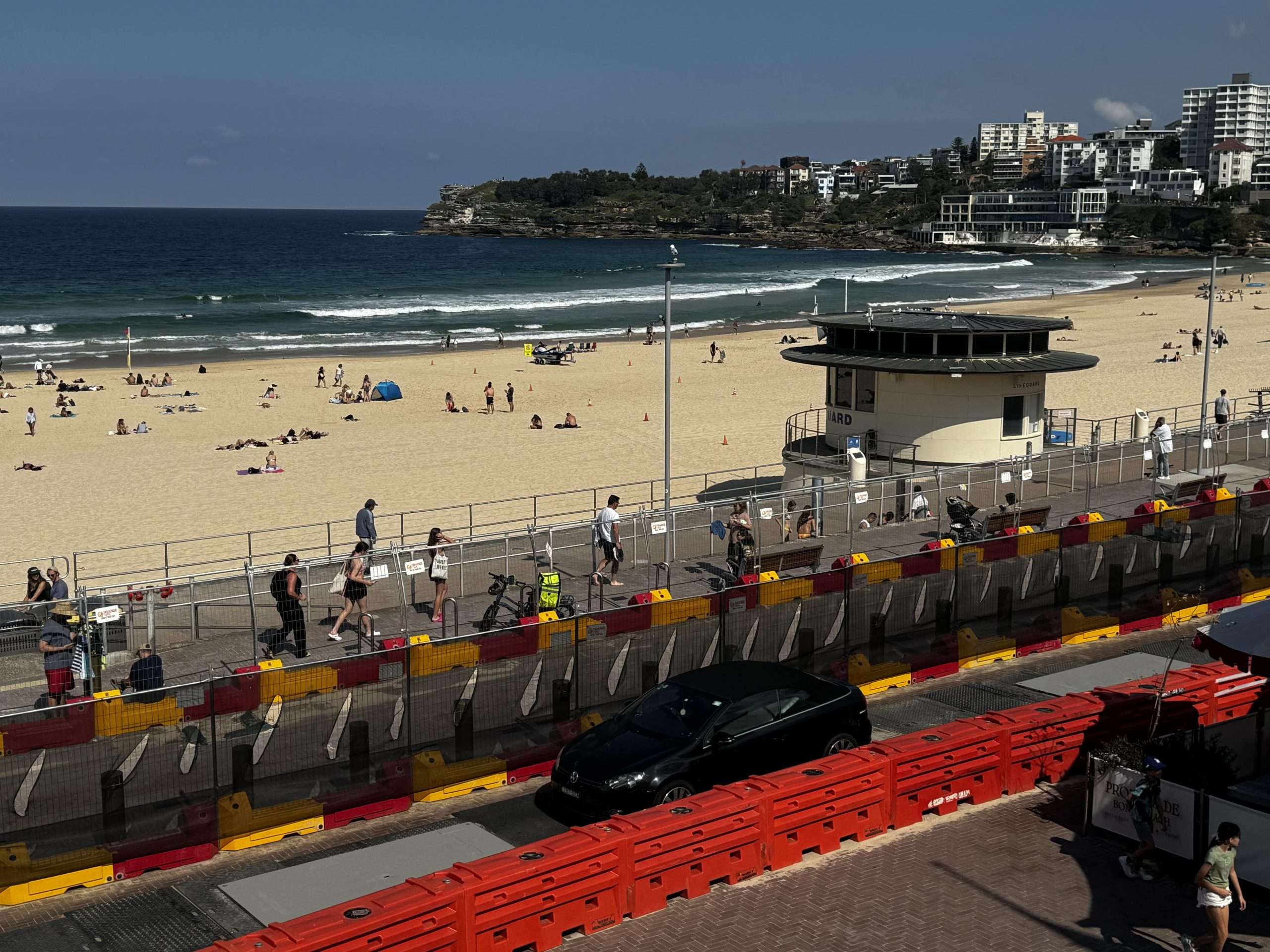
Temporary fencing might look simple, but wind can turn it into a serious safety hazard if you don’t plan properly. Wind loading calculations determine how much force a temporary fencing system can handle before it fails, which is critical for keeping your worksite safe and compliant.
Premium wind-rated systems such as Fortawall’s have been wind-tunnel tested to withstand wind speeds of up to 165 km/h, making them ideal for sites in high-exposure locations. Project managers who ignore load calculations risk equipment damage, safety incidents, and costly construction project delays.
Wind doesn’t just push against fencing panels uniformly. It creates complex pressure patterns that can lift, twist, and topple even heavy-duty systems. The height of your fence, local wind speeds, and how you anchor the panels all affect whether your temporary fencing will stand strong or become a liability.
Understanding wind loading principles helps you choose the right fencing systems and installation methods for your specific site conditions.
Wind Loading on Temporary Fencing Key Takeaways:
- Wind loading calculations are essential for determining if temporary fencing can withstand local wind conditions safely
- Proper installation techniques and anchoring systems significantly improve fence stability against wind forces
- Understanding wind resistance principles helps project managers select appropriate fencing solutions for their specific site conditions
Fundamentals of Wind Loading on Temporary Fencing
Wind creates horizontal forces against temporary fencing panels that can cause structural failure or displacement. The magnitude of these forces depends on wind velocity, direction, and the specific design characteristics of your fencing system.
Forces Exerted by Wind on Temporary Fencing
Wind generates both direct pressure and suction forces on temporary fencing panels. When wind hits the windward side, it creates positive pressure pushing against the structure. At the same time, negative suction forces develop on the leeward side, pulling the panel in the same direction.
The total wind load equals the sum of these pressure and suction forces. For solid hoarding panels, this combined force can reach 0.6 to 1.2 kN per square metre under moderate wind conditions.
Key force factors include:
- Panel surface area exposed to wind
- Wind pressure coefficients for your panel type
- Gust factors that amplify steady wind loads
- Ground surface roughness affecting wind turbulence
Your temporary fencing must resist both overturning moments and horizontal sliding forces. Overturning occurs when wind loads create enough leverage to tip panels over their base support.
Influence of Wind Speed and Direction
Wind speed has the greatest impact on wind loading because wind pressure increases with the square of velocity. Doubling wind speed from 20 km/h to 40 km/h creates four times the pressure on your fence.
Australian standards classify wind speeds into categories – moderate winds of 40–50 km/h generate pressures around 0.6 kN/m², while strong winds of 70–80 km/h can produce pressures above 1.5 kN/m². Fortawall’s wind-rated fencing systems are tested for compliance with AS1170.2 – Wind Actions to ensure performance under high-wind conditions.
Critical wind speeds for temporary fencing:
- 40 km/h: Minimum design consideration
- 60 km/h: Standard limits for temporary fencing
- 80+ km/h: Requires enhanced anchoring systems and certified stabilisers
Temporary Fencing Panel Design and Materials
The design of your temporary fencing panel directly impacts wind loading. Solid hoarding panels experience maximum wind forces, whereas anti-climb mesh panels with 50% open area—like those used in Fortawall systems- reduce pressure by allowing air flow.
Standard temporary fencing panels are typically 2.1 m high and 2.4 m wide (≈5.04 m² of exposed surface area). Under strong winds, a single panel can experience up to 6 kN of total wind force. At Fortawall, our temporary fencing panels are 2.1m high and 2.4m wide, delivering superior strength and reliability that set us apart as the preferred choice for temporary fencing hire.
Panel weight also influences stability. Heavy-duty steel panels weighing 20–25 kg provide better resistance than lightweight alternatives. Fortawall panels are securely bolted into 300 kg enclosed bases, providing exceptional stability and eliminating trip hazards associated with traditional concrete feet.
Base support systems determine overturning resistance. Water-filled bases may offer short-term stability, but wind-rated systems usually require fixed anchoring or bracing to comply with Australian standards.
Material quality also plays a vital role. Galvanised steel frames, used in Fortawall’s fencing systems, provide stronger long-term wind performance and superior resistance to fatigue under repeated loading.
Wind Resistance, Safety and Installation Best Practices
Proper assessment of wind risks and correct installation techniques protect workers and property while ensuring compliance with AS 4687 – Temporary fencing and hoardings.
Assessing Risks Associated with High Winds
You must evaluate local weather conditions before installing temporary fencing on any work site. Bureau of Meteorology data provides seasonal wind patterns, gust levels and maximum recorded wind speeds.
High winds above 40 km/h create lateral forces that can topple unsecured fencing panels. Open areas, coastal projects and elevated construction sites experience even higher wind exposure and require wind-rated fencing systems like Fortawall.
Key risk factors include:
- Proximity to coastlines or large open spaces
- Height above sea level
- Seasonal wind/weather patterns
- Local topography and nearby structures
Daily wind monitoring is essential during installation and throughout the construction project. Documenting wind speeds and installation decisions also helps ensure compliance with local council and health and safety requirements.
Installation Methods for Improved Wind Load Performance
Professional installation is essential to achieve the wind-rated performance of Fortawall systems. The enclosed base design, combined with approved bracing, delivers a stable and secure foundation for temporary fencing in high-wind environments.
Installation sequence:
- Position the Fortawall enclosed base securely on level or uneven ground
- Attach fencing panels using approved clamps and bolts
- Install stabilisers and bracing at recommended intervals to optimise wind load performance
- Confirm all bolts, brackets, and clamps are tightened to specification
Avoid shortcuts during installation, as each connection point is critical in resisting extreme weather forces. Fortawall provides detailed installation guides and wind-load calculations to support safe and compliant deployment. Regular checks are recommended throughout the hire period to ensure ongoing stability and safety.
Role of Stabilisers and Bracing Systems
Stabilisers transfer wind loads from panels to anchors or additional supports. Without them, panels may fail suddenly during gusts.
Fortawall’s modular design enables panels to be interconnected and stabilised using engineered bracing systems that meet Australian standards for temporary fencing.
Common Fortawall stabilisation methods:
- Integrated enclosed base design – the solid, fully enclosed base delivers inherent stability without the need for traditional cable stays or loose blocks.
- Panel-to-base bolting system – each panel is mechanically fixed to the Fortawall base with clamps and bolts, reducing movement and improving wind resistance.
- Recommended bracing points – stabilisers or braces can be fitted at specified intervals to meet higher wind-load requirements.
- Continuous wall connection – Fortawall bases interlock along the fence line, creating a rigid, tamper-resistant barrier ideal for long runs.
Stabilisers should always be installed in accordance with Fortawall’s wind-load calculations and site-specific conditions. In high-risk or extreme-weather areas, additional bracing or structural engineering advice may be required to maintain compliance and safety.
Standards and Compliance Considerations
AS 4687 sets requirements for temporary fencing, including wind resistance and minimum anchoring requirements. Local councils may impose additional measures in high-wind areas or near sensitive construction sites.
Compliance Documentation Often Includes:
- Installation method statements
- Wind load calculations
- Regular inspection records
- Hardware specifications
- Sign-off by qualified installers or engineers (for high-risk sites)
By choosing wind-rated systems like Fortawall’s – which are compliant with both AS4687 and AS1170.2 – project managers can increase site security, reduce safety risks, and demonstrate compliance in the event of a safety audit. It’s important to note that project managers can personably be liable in Australia if they knowingly make a cheaper and less safe decision, making options like Fortawall highly attractive.
Learn More About the Effects of Wind Loading at Your Site. Contact Fortawall Today!
When it comes to managing high-risk weather conditions, understanding wind loading isn’t just a technical consideration – it’s a critical safety requirement. By selecting a purpose-designed wind-rated system like Fortawall and installing it in line with recognised Australian standards, project managers can greatly reduce operational risks and keep their construction sites secure and compliant at all times.
Contact us today to discuss your specific site conditions and gain expert advice on the safest temporary fencing solution for your next project.