
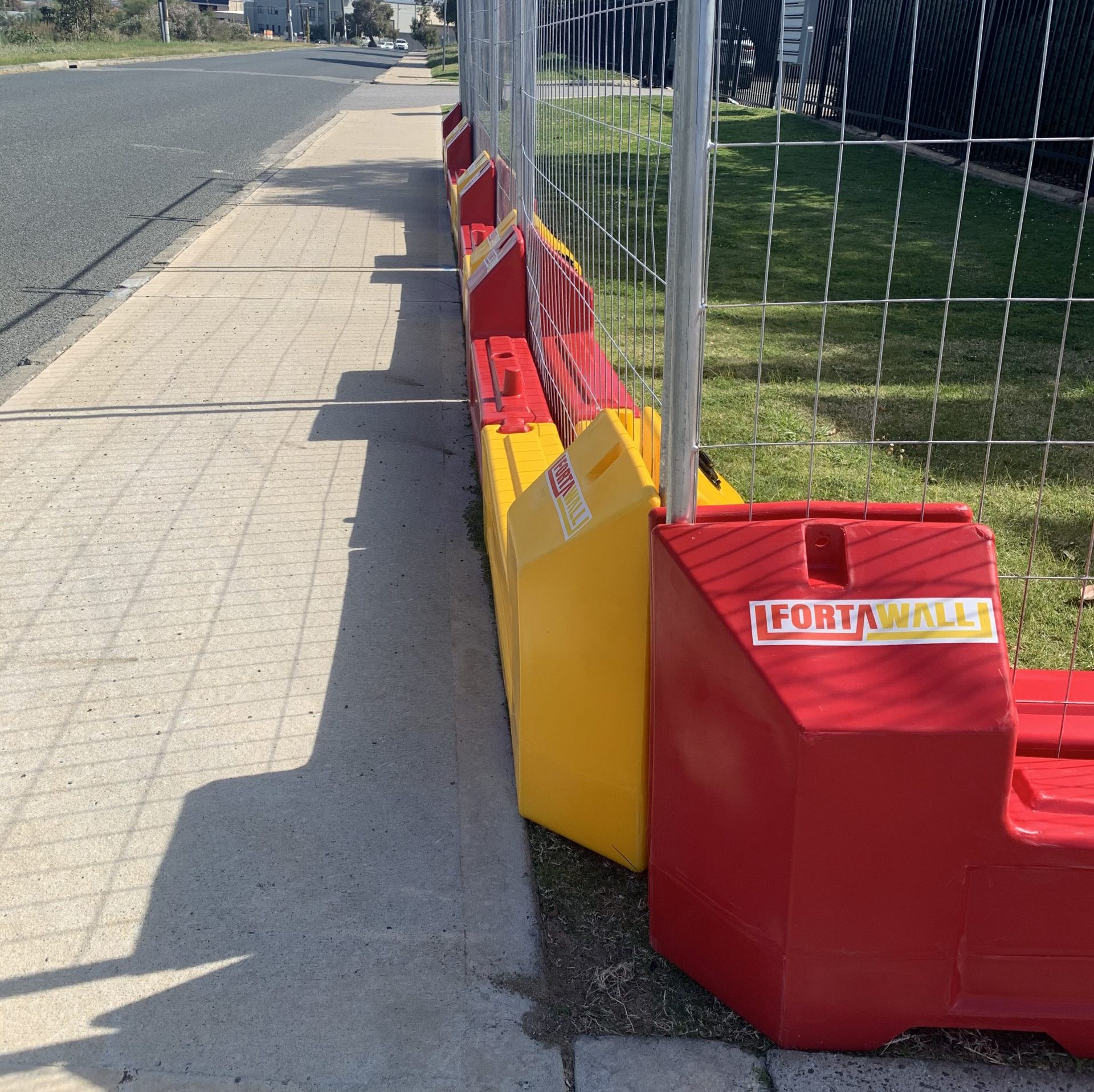
Planning temporary fencing for a festival is far more complex than placing panels around a venue. It begins with a thorough site assessment, followed by mapping out festival zones, selecting the right fencing systems, ensuring compliance with Australian safety standards, and preparing for safe installation and ongoing management.
Festival organisers must also consider terrain, wind exposure, crowd flow, emergency access and the security of back-of-house areas. The performance of your fencing directly affects safety, crowd management and event continuity.
This guide walks you through each stage, showing how choosing an engineered solution like Fortawall delivers safer, faster and more reliable outcomes for festivals across Australia.
Why Festival Fencing Planning Matters More Than Ever
Festivals are bigger, busier and more regulated than ever. With increasing attendee numbers, tight event schedules and heightened scrutiny around public safety, organisers must ensure every part of the site is secure and compliant. Traditional temporary fencing, originally designed for low-risk construction sites, often collapses in moderate winds, creates trip hazards and can be easily lifted or breached.
This is why purpose-built systems like Fortawall are changing the industry. Engineered specifically for high-traffic, high-wind and high-security environments, Fortawall provides the reliability that modern festivals demand, giving organisers confidence that their perimeter and crowd zones remain safe throughout the event.
Step 1: Conduct a Detailed Site Assessment
A successful festival fencing plan begins with understanding the site itself. Mapping out the venue ensures your fencing layout supports safety, access and crowd flow.
Map the Festival Grounds and Identify Terrain Conditions
Assess the entire festival footprint, including:
- Ground type (grass, sand, gravel, asphalt, uneven ground)
- Obstacles such as trees, structures and utilities
- Slopes or raised areas that may influence stability
- Entry and exit points that may experience heavy pressure
Terrain directly affects anchoring, stability and pedestrian safety. Wind-prone or uneven areas often require engineered systems rather than lightweight constructions.
Define Perimeters, Zones and Access Requirements
Every festival includes multiple areas with varying security needs. Common zones include:
- Main perimeter: The overarching security boundary
- VIP, artist and staff areas: Restricted access, often requiring privacy screening
- Vendor and equipment compounds: Housing valuable assets
- Back-of-house operations: Areas requiring strong security and reduced visibility
- Queueing and waiting areas: High-traffic points needing safe, organised flow
Mapping these zones early ensures you deploy appropriate fencing types and access controls.
Anticipate Crowd Movement and High-Traffic Flows
Crowd behaviour plays a major role in fencing design. Consider:
- Queue layouts for ticketing and entry points
- Avoiding bottlenecks at narrow walkways
- Managing cross-flows near amenities, bars and stages
- Ensuring all pathways are accessible for prams, wheelchairs and emergency staff
Strategic placement of fencing can enhance crowd flow, prevent congestion and maintain safe movement throughout the site.
Consider Weather, Wind Exposure and Environmental Risks
Weather is one of the biggest factors affecting temporary fencing performance. Standard systems can topple in strong winds, creating significant safety hazards.
Fortawall is engineered to withstand winds up to 165 km/h, ensuring the fence stays upright even in exposed festival environments such as coastal parks, open fields and elevated sites. This removes one of the biggest risks associated with festival fencing.
Step 2: Choose the Right Temporary Fencing System for Each Festival Zone
Different parts of your festival require specific fencing solutions based on security, visibility, movement and screening needs.
Perimeter Fencing for Site Security
Perimeter fencing should deter intruders, protect equipment and withstand pressure from large crowds. While standard mesh fencing is commonly used, it is also widely known for being easy to lift, push or breach.
Fortawall addresses these issues with:
- Bolted-in panels that cannot be removed without tools
- A 300 kg fully enclosed and water-filled base, preventing lifting or shimming
- High wind resistance that keeps the perimeter secure in extreme conditions
This creates a perimeter that cannot be breached by force or weather.
Crowd Control and Queue Management
Lightweight crowd control barriers are suitable for low-pressure areas such as external queues or guiding attendees toward entrances. However, for high-traffic festival zones or where wind exposure is a concern, heavier engineered fencing is essential to prevent collapse.
Fortawall’s stability and flat base ensure queues remain orderly and safe, even during peak arrival times.
Privacy, Back-of-House and VIP Screening
Artists, staff and VIP guests often require privacy from public view. Visual screening such as hoarding, shade cloth or integrated screening can be added to fencing to create a professional and discreet environment.
Fortawall’s enclosed base prevents gaps under panels, enhancing both privacy and cleanliness.
Heavy-Duty Fencing for High-Risk or Equipment Zones
Stages, generators, vehicle access points and contractor compounds require fencing that resists tampering and unauthorised entry. Traditional fencing is often insufficient for these areas.
Fortawall provides superior protection through its weighted base and secure panel fastening system, ensuring restricted areas remain fully secure.
Why Fortawall Outperforms Standard Festival Fencing
Fortawall offers game-changing advantages:
- Survives winds up to 165 km/h
- Zero trip hazards thanks to its enclosed flat base
- Impossible to lift, push or breach
- 70% faster installation for tight pack-in schedules
- Cleaner site presentation, preventing rubbish from blowing underneath
- Fully Australian Standards compliant (AS1170.2, AS4687.2:2022)
No other system offers this level of performance for festivals.
Step 3: Meet Safety Regulations and Compliance Requirements
Australian festivals must meet strict safety regulations regarding fencing stability, pedestrian safety and wind loading.
Understand Australian Standards for Temporary Fencing
Two key standards apply:
- AS1170.2 (Wind Actions)
- AS4687.2:2022 (Temporary Fencing and Hoardings)
Choosing fencing that meets or exceeds these ensures your event complies with council, licensing and insurance requirements. Fortawall is fully compliant with both standards.
Prioritise Trip-Free Walkways and Safe Public Movement
Trip hazards are one of the most common causes of festival injuries. Standard fencing uses concrete or plastic feet that jut into walkways, creating serious risks, especially at night.
Fortawall eliminates trip hazards with its flat, enclosed base, providing unobstructed paths for attendees, staff and accessibility users.
Engineer Stability Based on Ground Type and Wind Rating
Ground composition determines how well fencing can anchor itself. Sandbags and makeshift stabilisers are often used on traditional fencing but offer limited protection in high winds.
Fortawall’s engineered design integrates stability into every panel, meaning no external weights, braces or additional supports are required—even in severe conditions.
Integration With Security and Emergency Planning
The right temporary fencing for an event plays a crucial role in emergency planning. Consider:
- Lockable gates for controlled access
- Emergency exit routes that remain unobstructed
- Integration with lighting or CCTV
- Clear visual signage for staff and attendees
Fortawall’s system supports these features seamlessly.
Step 4: Plan Your Installation, Inspections and Pack-Down
Professional planning around installation and monitoring will ensure your fencing performs at its best throughout the event.
Professional Installation vs DIY Setup
Large festivals benefit significantly from professional installation. Experts ensure fencing is positioned correctly, anchored securely and compliant with safety standards.
Fortawall’s design allows installation up to 70% faster than standard fencing, reducing labour costs and fitting perfectly into short event pack-in windows.
Essential Fencing Accessories for Festivals
Your fencing plan may require:
- Clamps and fixings
- Gates and controlled access points
- Shade cloth or hoarding
- Stabilisation equipment (where required)
- Signage for safety and navigation
Fortawall’s modular design accommodates all standard event accessories.
Daily Inspections and Maintenance During the Festival
Regular checks ensure panels remain secure and aligned. Look for movement, loose fittings and changes in ground conditions. Fortawall’s heavy, enclosed base dramatically reduces the need for mid-event adjustments.
Efficient Removal and Site Restoration
After the event, fencing must be removed quickly without damaging turf, pavements or infrastructure. Fortawall’s simple bolt-in system allows for efficient dismantling, leaving the site clean and undisturbed.
Ready to Plan Your Festival Fencing? Fortawall Can Help
If you want a safer, stronger and fully compliant fencing system for your next festival, Fortawall is Australia’s most wind-resistant and secure temporary event fencing solution. Our team can help you plan, install and manage fencing that keeps your event protected from start to finish.
Secure your festival today — request a quote from Fortawall.